
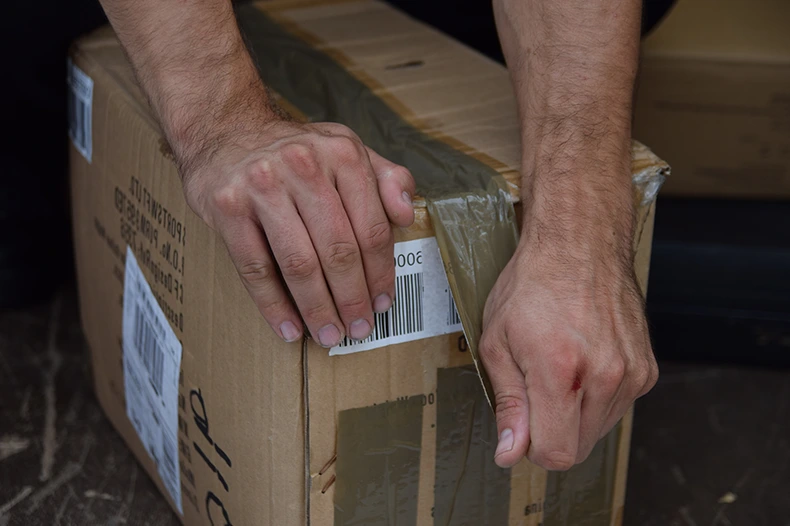
Relocating to Europe may be an exciting experience, be it business, family, or a new life. Nevertheless, a long-distance international move is much more complicated to pack than a local one. Other customs regulations, longer delivery times, and the necessity to secure goods over the distance of hundreds or thousands of kilometres will be encountered. This is the reason why it is necessary to pack it properly.
At VanOne EU, we have assisted thousands of people and families to relocate safely within Europe. Here are our best packing tips so that the stuff remains intact when you move into your new house.
Start Early and Create a Packing Timeline
Moves that involve a long distance require preparation than you would be aware of. At least six or eight weeks prior to the move, start packing. Arrange a room schedule by room, beginning with the least frequently used items. Store packs first, then guest rooms, seasonal gear, and leave everyday needs to the last.
This is also an early enough time to clean up. Moving abroad is an excellent opportunity to make a choice on what you really need. The fewer the number of objects you carry, the cheaper it will be and the easier it will be to unpack.
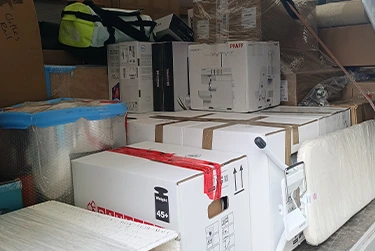
Understand International Moving Regulations
The customs rules and restrictions differ in various European countries. Even the objects that do not seem harmful may be banned or require extra documentation. Depending on your destination, there may be a restriction on plants, food, medications and even some electronics. Learn the customs of your destination before you go. In case of doubts, have your moving company recommend you. It is always preferable to leave something dubious behind than to spend time waiting, paying fees, or getting hold of at customs.
Invest in Quality Packing Materials
Saving on packing supplies is a fake economy. Your products will be loaded, unloaded, and it may take a long time to get to their destination. Pack in strong, sturdy, double-walled cardboard boxes, bubble wraps, packing papers, and effective tapes. Boxes come in handy as well: wardrobe boxes keep clothes wrinkle-free; dish packing with divisions is great for protecting delicate kitchenware; wooden crates are great for precious or delicate goods.
Master the Art of Box Packing
Packing your things in a proper box can save your things in a big way. Heavier things should be at the bottom, with the lightest at the top. Stuff paper or bubble wrap in empty boxes to prevent the movement of contents. Do not overpack. The box must not be too heavy, but it should not be light; the weight needs to be no more than 20-25 kg. Any books are better in smaller boxes. Pack delicate products separately. With dishes, wrap each piece and put them on their end. Place wrap glasses separately and pack them together using dividers.
Label Everything Systematically
Good labelling is crucial. Label each box with the destination room, a short description of the contents and whether or not it is fragile. Label every box and have a master inventory. Room colour-code boxes and stickers/markers to assist movers in putting them in the right place. Write on delicate boxes on all sides, not only the top. To designate something that you need as soon as possible, place a label with PRIORETY or OPEN FIRST on the things that you are going to need most of all, like bedding, toiletries, simple kitchen devices and documents.
Prepare an Essentials Box
Pack a clearly labelled essentials box (or boxes) that travels with you or is easily accessible upon arrival. This should include items you’ll need for the first 24-48 hours in your new home: toiletries, medications, a change of clothes, basic kitchen supplies, phone chargers, important documents, and basic tools. Don’t forget essentials for children and pets if applicable. Having these items immediately accessible reduces stress and means you won’t have to frantically search through boxes after a long moving day.
Protect Electronics and Appliances Properly
Electronics should be taken care of. Where possible, use the original packaging. In case the original boxes are missing, she needs to wrap the gadget in anti-static bubble wrap and place it in boxes of the correct sizes with added padding. Connect all the photograph cables and disconnect. Store cables and accessories in marked bags or a special box. In the case of appliances, make sure that they are dry. Move clean and secure moving parts and doors as per the manufacturer’s instructions using tapes or straps.
Consider Climate and Transit Duration
European journeys may entail a lot of climate change and extended voyages. Items are likely to be damaged by humidity, and so one should not place vulnerable goods such as leather, wood, or electronics in cardboard boxes without protection. When packing these, add moisture-absorbing packets. When transporting artwork or antiques, talk with your mover about transporting it in a climate-controlled environment.
Handle Important Documents Separately
Never pack important documents like passports, birth certificates, property deeds, medical records, or financial documents in moving boxes. Keep these with you in a secure folder or bag during the move. Make copies of critical documents and store them separately as a backup. For digital security, back up your computer files before the move. Consider storing important digital files in cloud storage as well, ensuring you have access to critical information even if something happens to your devices during the move.
Furniture Protection and Disassembly
International moves usually involve the dismantling of large furniture pieces. Making pictures is the first step to follow; you will need photos to get everything back together when you are finished. Store all screws, bolts and small hardware in numbered labels in plastic bags. Tape the bags to the respective furniture item or place them in a special hardware box.
Protect surfaces with moving blankets, bubble wraps or furniture pads. It is important to be particularly careful when dealing with angles and edges, as they are the most prone to corruption. Easy-to-disassemble items like legs, shelves, glass parts, etc., should be packed separately.
In the case of upholstered furniture, stretch wrap ensures that the fabric will not be dirty or moist. In case of wood, do not apply tape on finished surfaces because the adhesive can remove the finish.
Work With Professional Movers
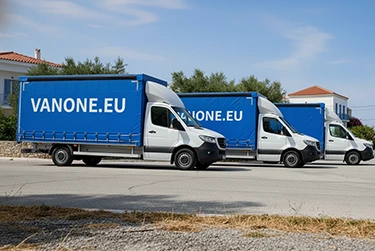
Although this guide will include packing tips that are necessary, it is possible to employ the services of professionals who are experienced in the realm of removals in Europe, such as VanOne EU, to facilitate the issue. Professional movers can save time, stress, and money in the long run, just to mention that they are familiar with international regulations, proper packing procedures, and effective logistics.
Common relocation services also have insurance plans that will make you feel relaxed. Customs paperwork is also done by movers and networks maintained across Europe to make crossing borders and delivery hassle-free.
Last Minute Checklist Pre-Moving Day
During the last days before the move, ensure that everything is in place with your moving company. Check addresses, dates and other special needs. Have the contact information of the moving coordinator near at hand and have an idea of what to expect on moving day. Stow cleaning materials aside so as to have a final good tidy of your old house. Assuming it is possible, schedule one final walk-through once the movers are gone. Take your necessities bag, important papers and other precious items with you- rather than packing them into the truck.